
100% Wild Kopi Luwak · Since 1989
The rarest coffee in the world.
Chosen by nature.
Authentic wild Kopi Luwak from the forests of Sumatra. Two Labels. Three ways to enjoy them.
As featured on



The Collection
Two Labels. Three ways to enjoy them.
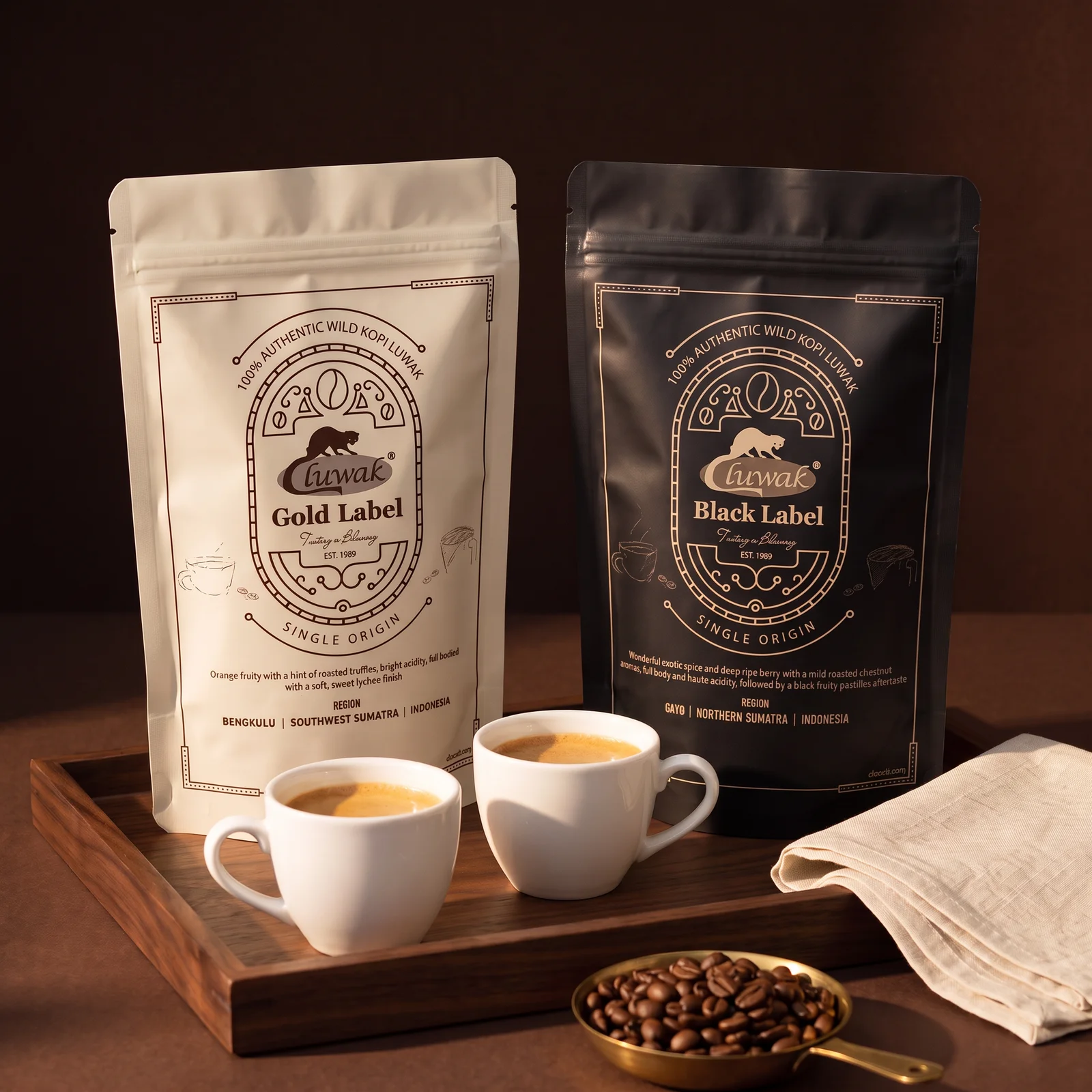
Each Label comes from a single wild-forest origin in Sumatra, and is offered as whole beans, freshly ground, or in single-cup drip pouches.
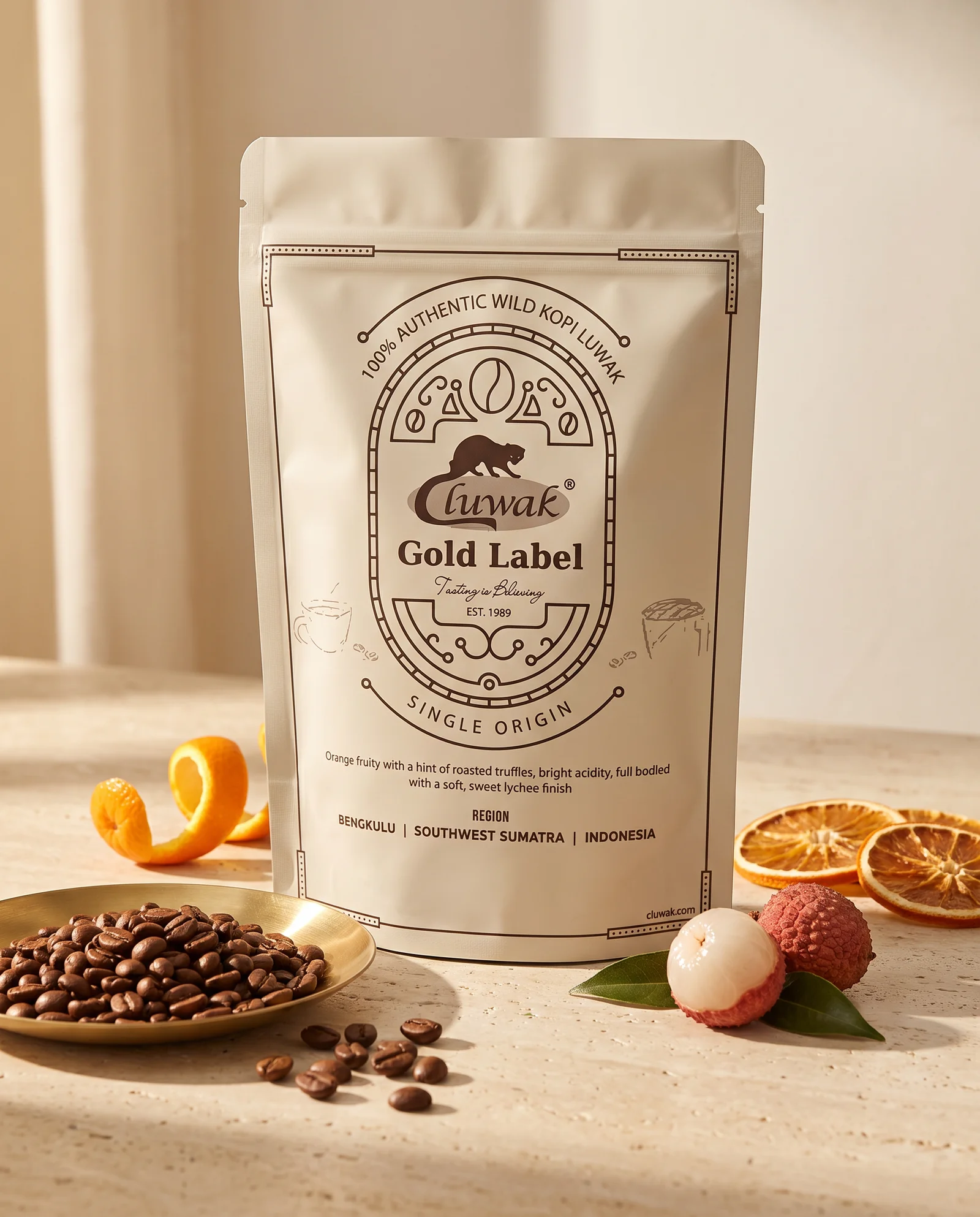
Bengkulu · Southwest Sumatra
Gold Label
Bright and luminous. An orange-wine overture, a hint of roasted truffle, a soft lychee finish.
Bright acidity with a robust body. The Label for those who drink their coffee black and slowly.
$288 USD · 100 g whole bean or ground · 16 drip pouches
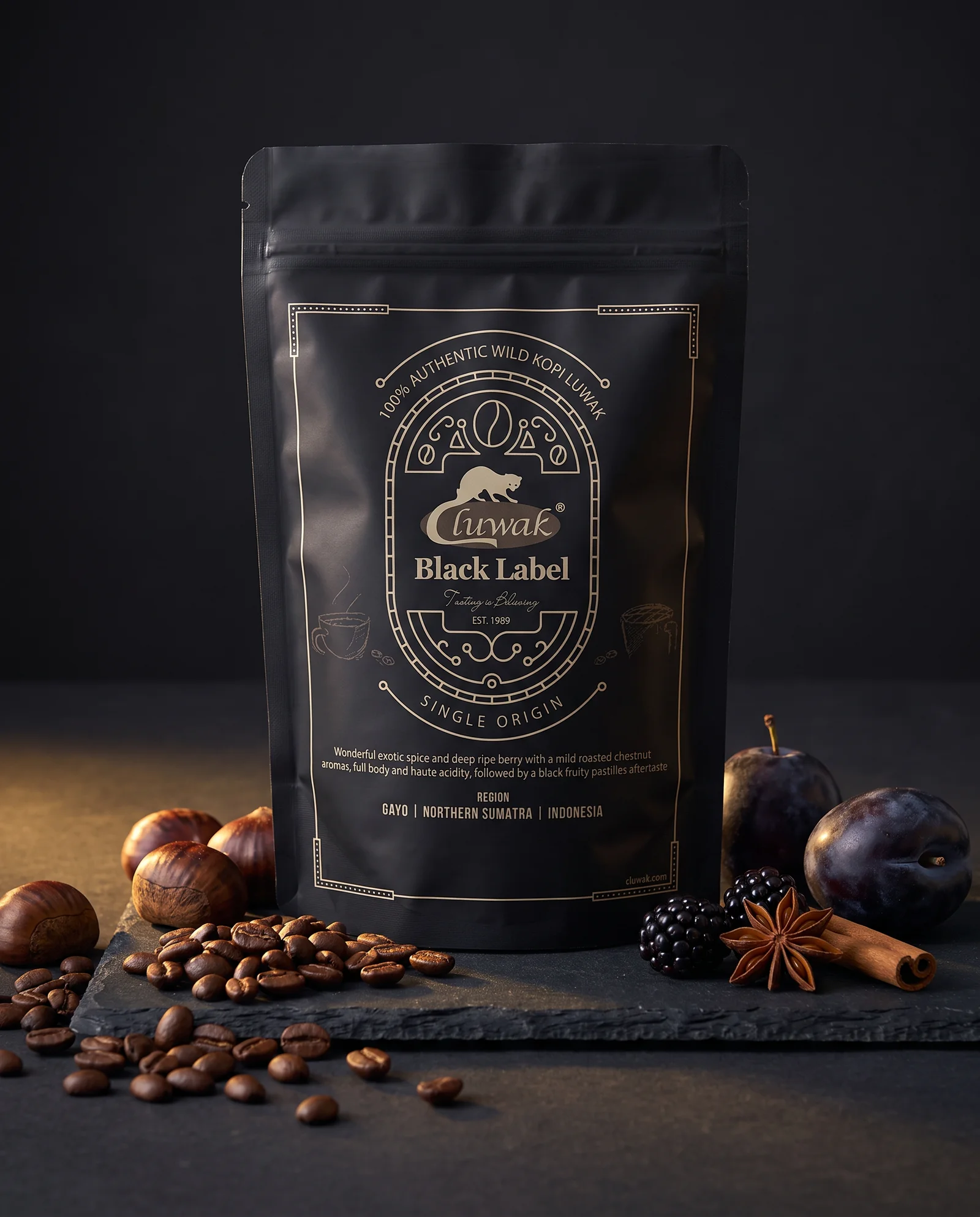
Gayo Highlands · Northern Sumatra
Black Label
Deep and composed. Exotic spice and ripe berry over roasted chestnut, closing on black fruit pastille.
Full-bodied with a balanced acidity. The Label for those who prefer depth over brightness.
$225 USD · 100 g whole bean or ground · 16 drip pouches
Three ways to enjoy
Whole bean, ground, or a single perfect cup.
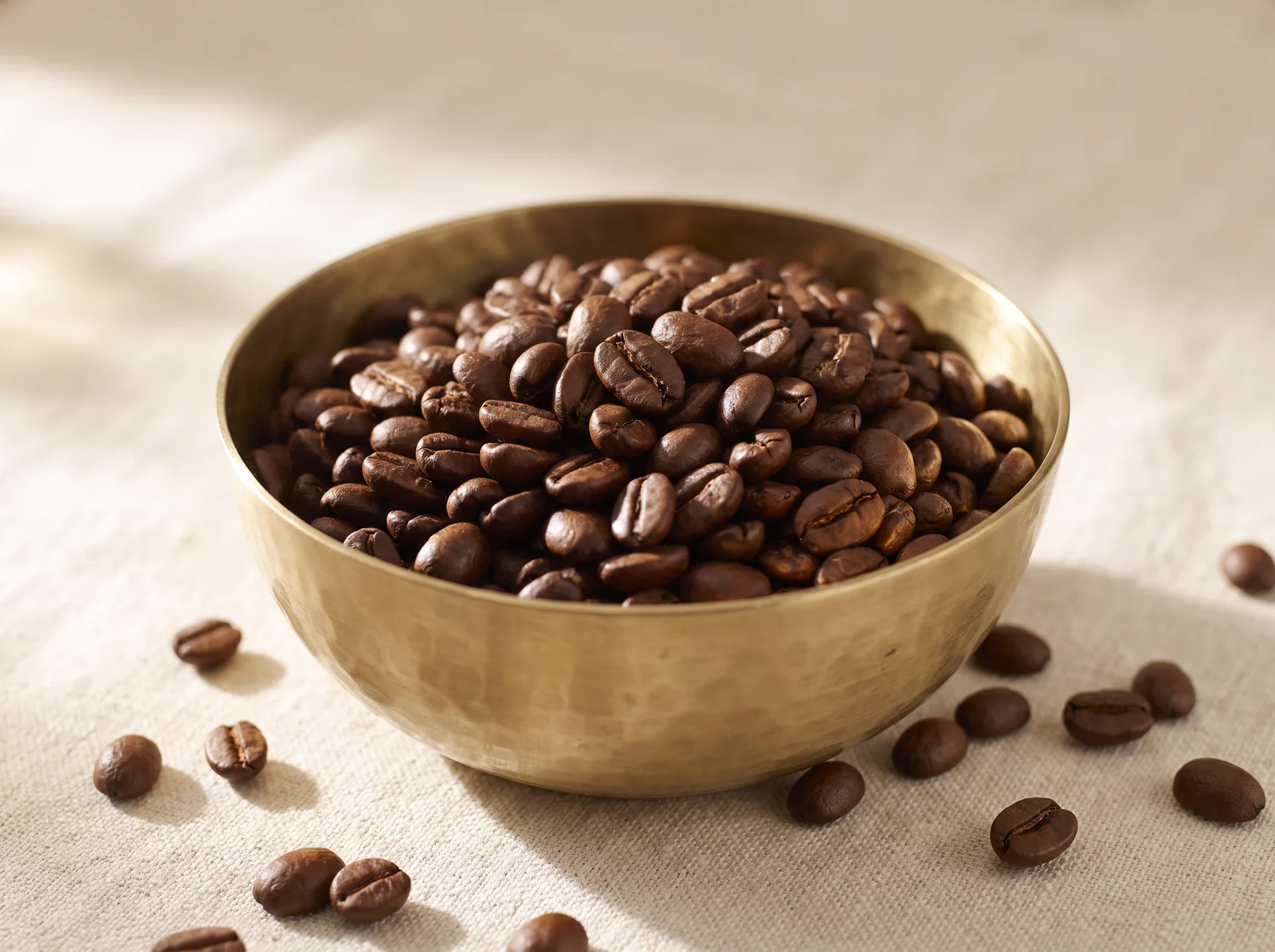
Whole Bean
For those who grind fresh. The fullest expression of each Label. 100 g, sealed with a one-way valve.
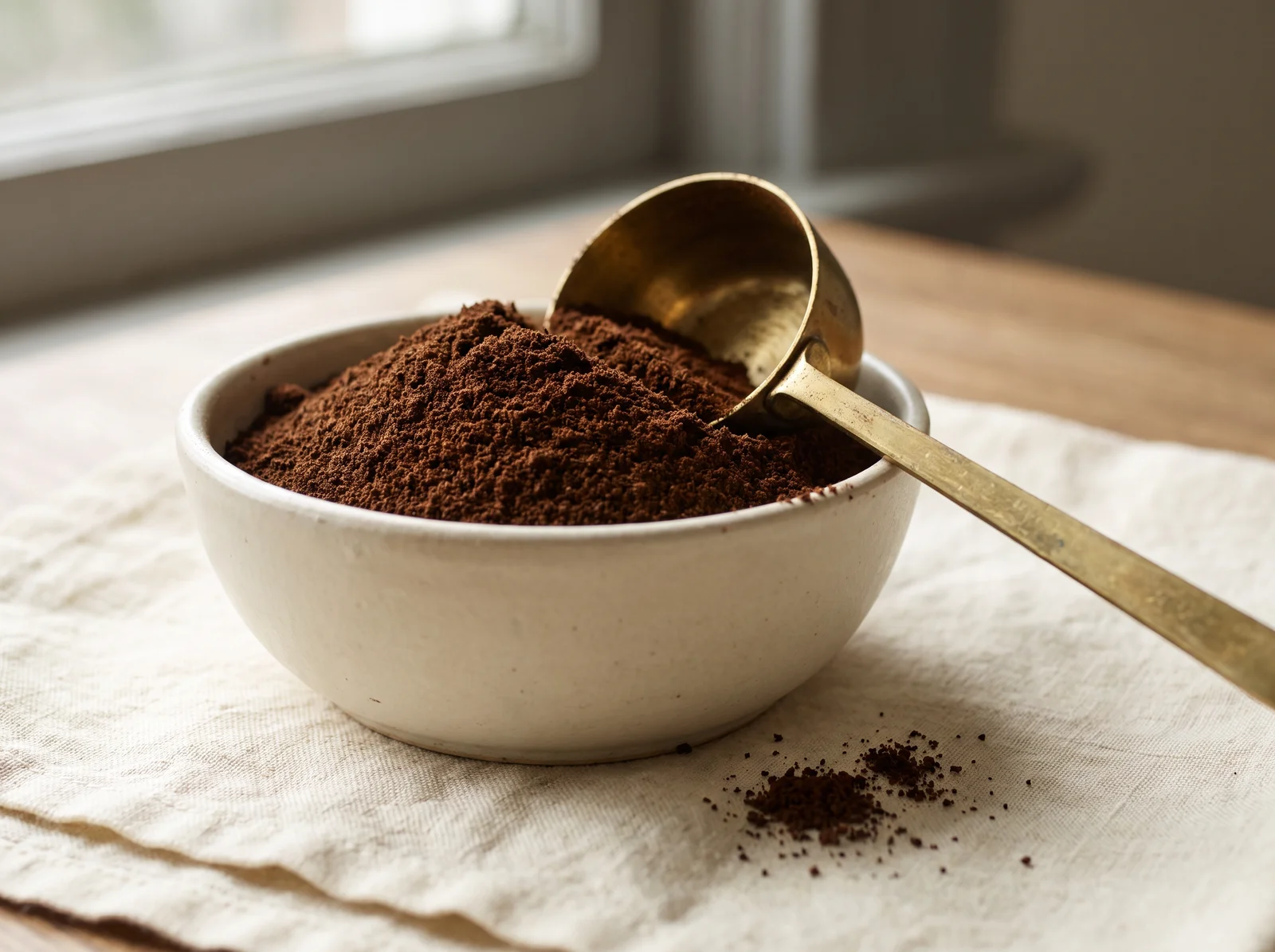
Ground
Precision-ground for filter, French press and moka pot. Ready the moment you open it. 100 g.
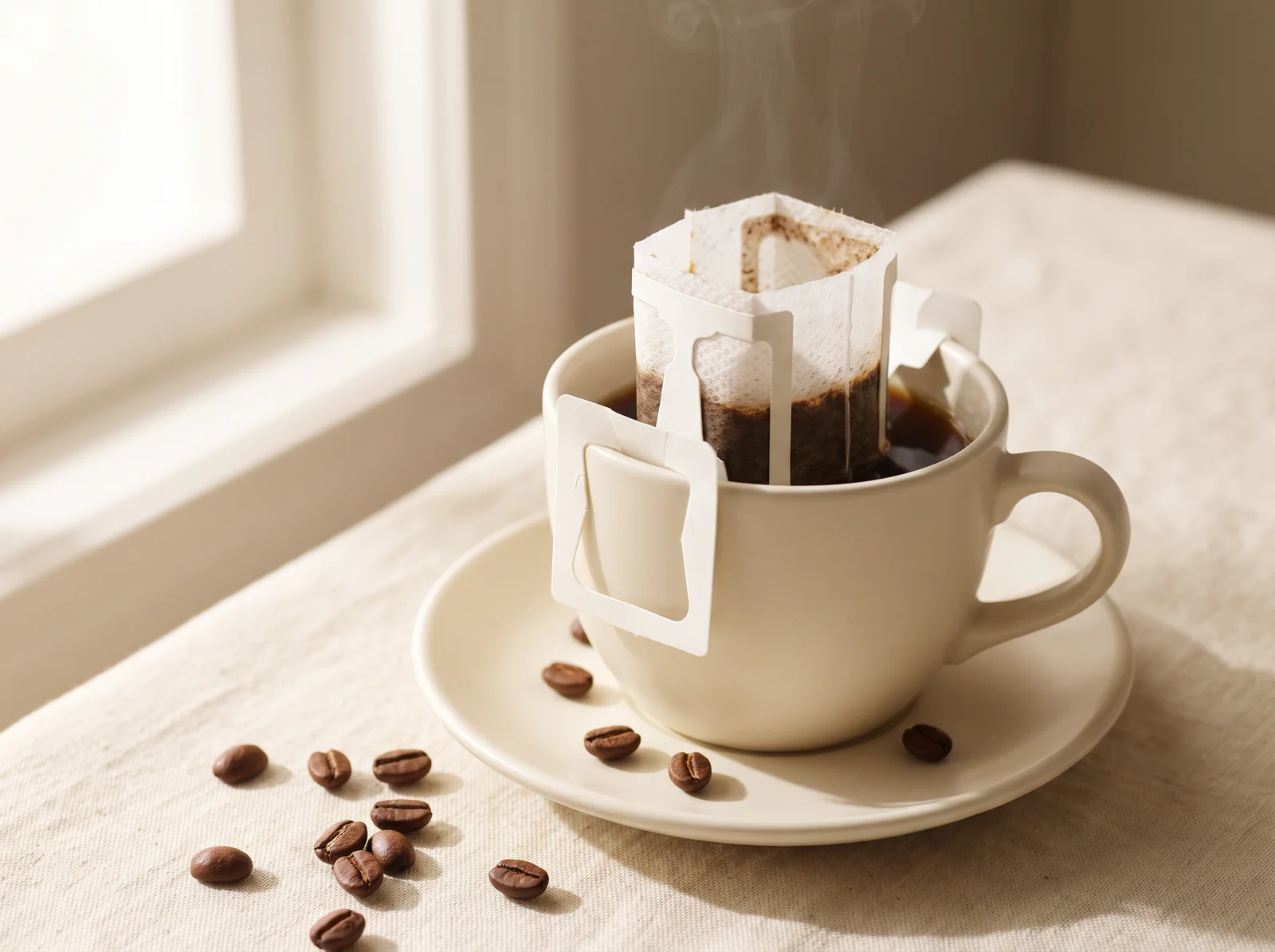
Drip Pouch
Sixteen single-cup pouches. Hot water and four minutes is all it takes — at home, at work, or travelling.
Myth and truth
What most people believe about Kopi Luwak — and what is actually true.
Most people believe
It’s expensive because of the story.
What is actually true
It is expensive because of scarcity. A wild civet chooses only the ripest cherries, and every bean is hand-collected, washed, sun-dried for up to two weeks to 11% moisture, then sorted by eye.
Most people believe
All Kopi Luwak is the same.
What is actually true
Most of what is sold comes from caged civets, fed whatever they are given. Without the animal’s own selection, the bean loses what makes it extraordinary. Cluwak sources only from the wild.
Most people believe
If the label says Kopi Luwak, that’s what’s inside.
What is actually true
Some sellers blend as little as 2% Kopi Luwak with ordinary beans. Every Cluwak pack is 100% authentic wild Kopi Luwak, monitored batch by batch.
Most people believe
It must taste unusual.
What is actually true
It tastes refined. Gold Label opens with orange and roasted truffle, finishing on lychee. Black Label is full-bodied, with exotic spice, ripe berry and roasted chestnut.
Most people believe
The rarest coffee needs a barista.
What is actually true
Our drip pouches deliver it in four minutes, with nothing but hot water and a cup.
Most people believe
It’s a curiosity, not a coffee for connoisseurs.
What is actually true
Since 1989, Cluwak Gold and Black Label have been served in gourmet cafés across Europe, the US and Japan.
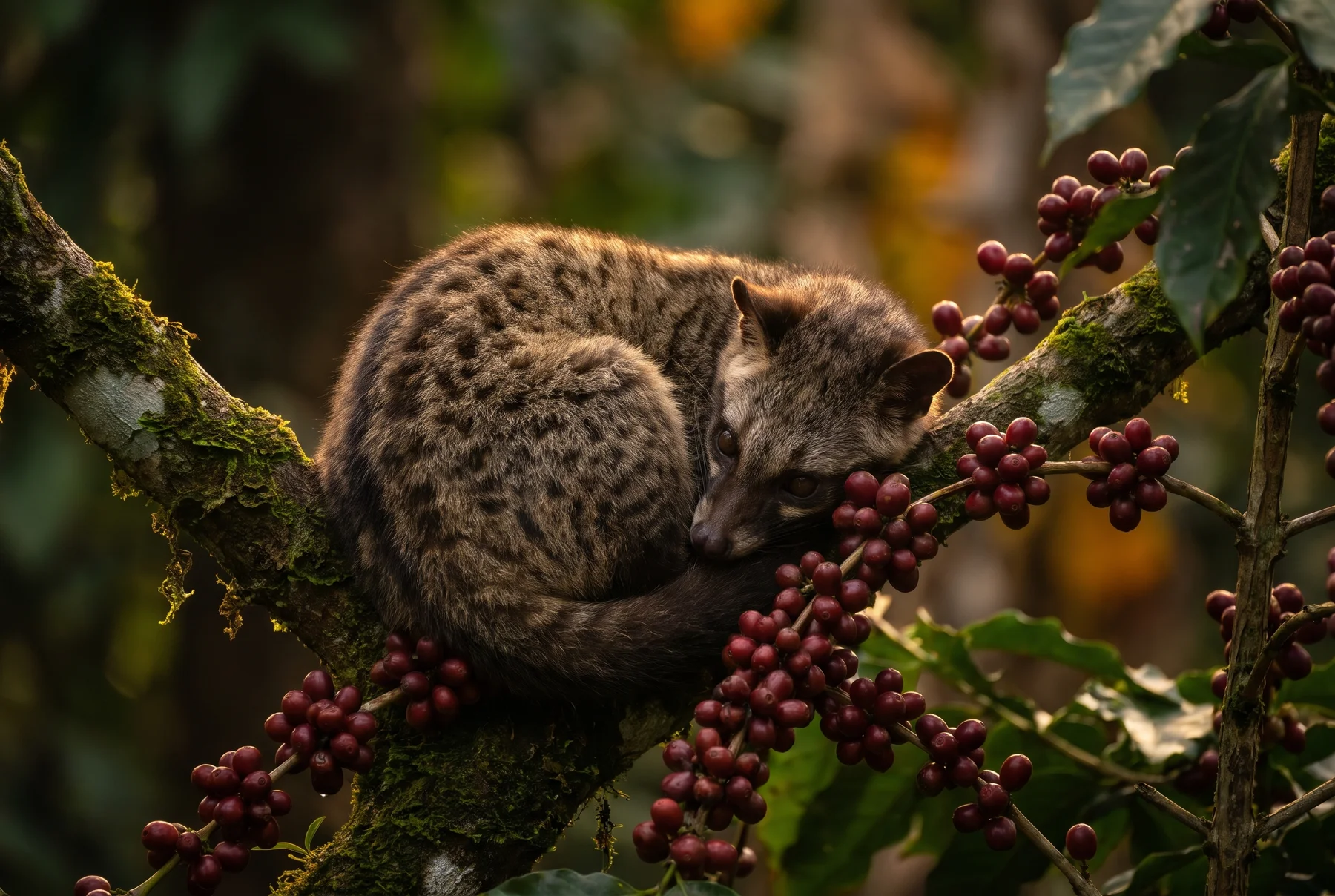
From the wild
The civet chooses. We do the rest, by hand.
In the forests of Bengkulu and the Gayo highlands, the wild Asian palm civet roams free and selects only the ripest coffee cherries. No cages. No force-feeding.
Local farmers collect the beans, which are then washed, sun-dried on open patios for up to two weeks, sorted by density and by eye, and roasted in phased stages between 255 and 272 °C.
The drip ritual
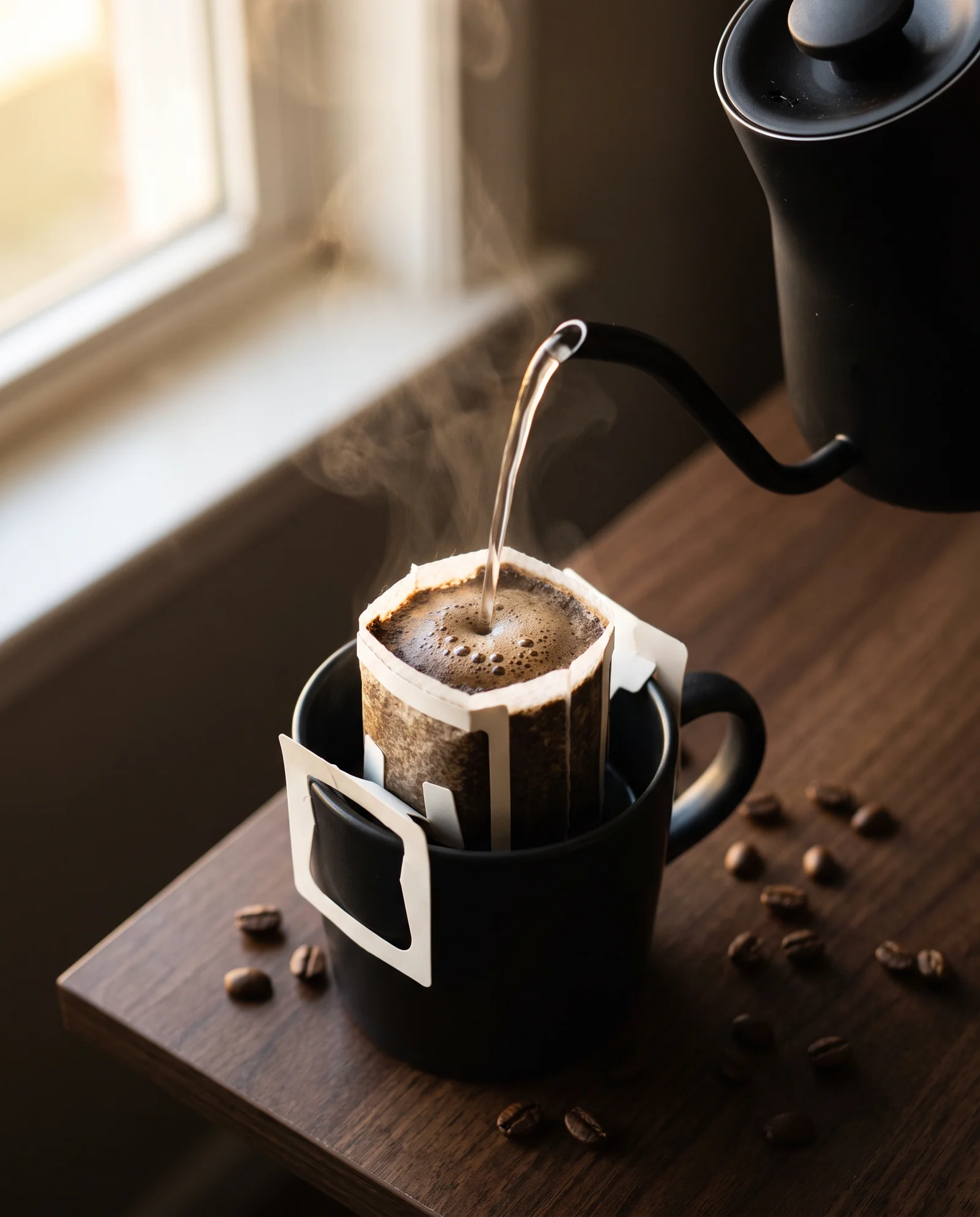
Wild Kopi Luwak, in four minutes.
1 Open — tear along the top of the pouch.
2 Hang — unfold the paper hangers and hook them over your cup.
3 Bloom — pour a little water just off the boil, then wait 30 seconds.
4 Pour — add water slowly, in stages, to about 130 ml. Enjoy it black first.
Sixteen pouches per box — about $18 a cup for Gold Label and $14 a cup for Black Label.
Gift sets
Both Labels, side by side.
The finest way to compare the two origins — or to give someone a coffee they will remember.
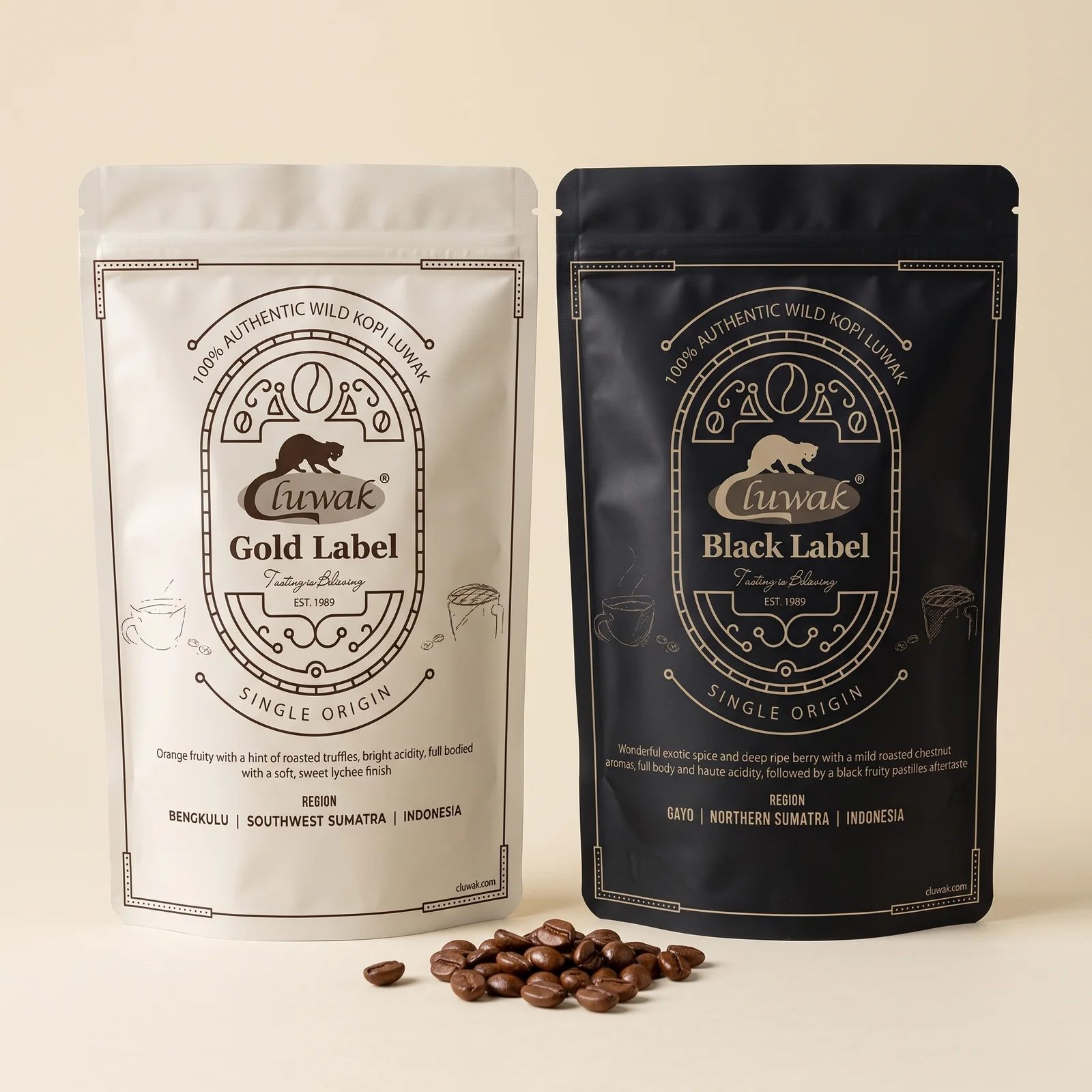
Introduction Pack
Gold Label 100 g + Black Label 100 g
$458 USD
Save $55
Indulgence Pack
Gold Label 200 g + Black Label 200 g
$818 USD
Best value · Save $208
Good to know
Kopi Luwak, explained
What is Kopi Luwak?
Kopi Luwak, or civet coffee, is made from coffee beans that have been eaten and passed by the Asian palm civet. The civet chooses only the ripest cherries, and natural fermentation during digestion softens bitterness and adds complexity. The beans are then collected, cleaned, sun-dried and roasted.
Is Cluwak Kopi Luwak wild?
Yes. Since 1989, Cluwak has sourced only from wild, free-roaming civets in the forests of Sumatra, Indonesia, and never from caged civets.
What is the difference between Gold Label and Black Label?
Gold Label comes from Bengkulu in Southwest Sumatra and is bright and luminous, with orange, roasted truffle and lychee. Black Label comes from the Gayo highlands of Northern Sumatra and is deeper, with exotic spice, ripe berry and roasted chestnut.
Which format should I choose?
Whole beans give the fullest flavour if you grind fresh. Ground coffee suits pour-over, filter and moka pot. The single-cup drip pouches need only hot water, which makes them ideal for travel, the office and gifting.
How much Kopi Luwak should I use per cup?
About 15 g of coffee for 250 ml of water at 92–94 °C, so a 100 g pouch makes six to seven cups. Each drip pouch holds 6 g, for one cup of about 130 ml.
Do you ship internationally?
Yes. Every order ships free worldwide by EMS express with tracking, and is usually dispatched within 24 hours.
Since 1989
There are those for whom only the rarest will suffice.
They come from every continent — from business, art, medicine, science and sport. What unites them is a single cup.
Since 1989, Cluwak has worked alongside the wild Asian palm civet in the forests of Sumatra. We offer just two Labels, and free worldwide shipping on every order.
Taste is not everything. It is the only thing.